
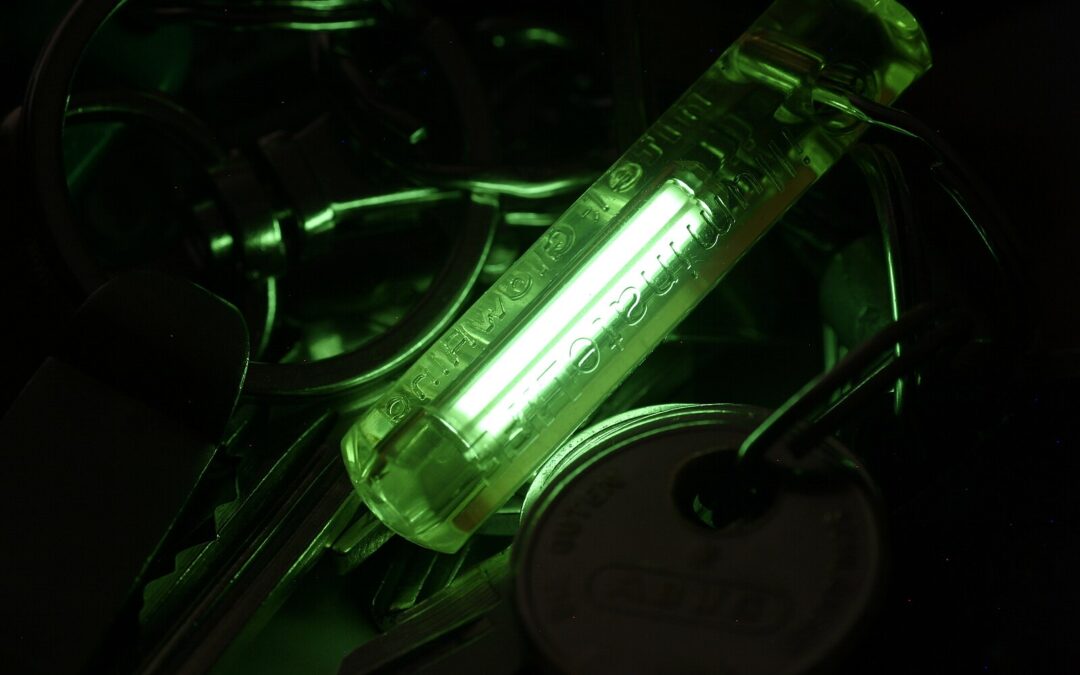
The release of tritiated water at Fukushima shocked the world, but there is no real health or environmental risk based on scientific data.
Naturally occurring radioactive hydrogen isotope is tritium, which is produced in the Earth’s atmosphere constantly.
Tritium bonded with oxygen makes tritiated water (HTO), which behaves exactly like normal water.
Natural tritium content in water 0.18 to 0.92 Bq/L; safety regulations are 100 Bq/L (EU) and up to 76,000 Bq/L (Australia).
The suggested Fukushima discharge dilutes tritium to 1,500 Bq/L, far less than Japanese and WHO safety limits, and is only 2.3 × 10⁻⁶ Bq/L after 10 years in the Pacific.
Beta emission of tritium is very weak (18.6 keV) and penetrates less than 10 micrometers in tissue.
Biological half-life is only 10 days; over 95% is removed by urine, skin, and respiration.
Humans naturally possess far more powerful radionuclides, including carbon-14 and potassium-40, but these are not dangerous to our well-being.
Millions of gallons of tritiated water have been released throughout the world safely for decades.
The controversy is politicized and rooted in misinformation, rather than science.
Open the Powerpoint attached.