
Research Article Summary
-
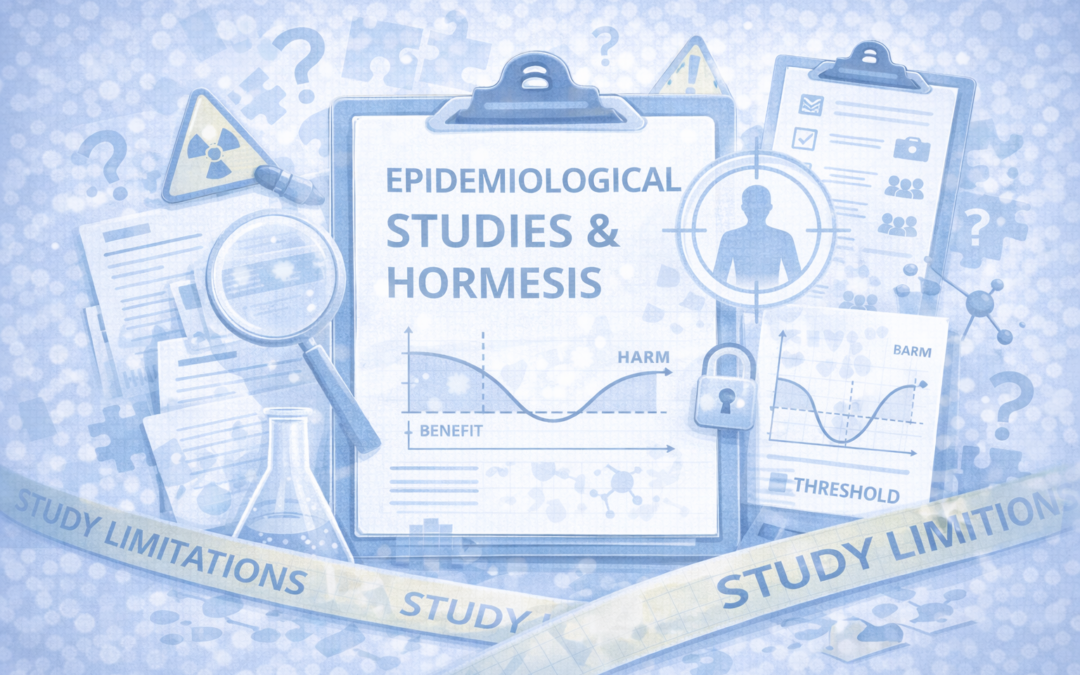
The article discusses the significant conceptual and methodological challenges in identifying and defining hormesis in epidemiological research, particularly emphasizing the complexities of studying low-dose radiation effects in human populations.
-
It highlights that many epidemiological studies of occupationally exposed groups suffer from limitations such as inadequate exposure dose characterization, lack of proper control groups, narrow dose ranges, and insufficient evaluation of confounding variables.
-
The authors argue that these study limitations make it difficult to reliably detect or characterize hormetic responses, even when such responses may be biologically plausible or observable under controlled experimental conditions.
-
The piece suggests that an improved weight-of-evidence approach is needed, integrating epidemiological data more effectively with mechanistic biological insights and experimental findings to enhance risk assessment frameworks.
-
It concludes that overcoming current epidemiological constraints is essential for recognizing and incorporating hormetic effects in practical risk assessment of low-dose exposures, which could ultimately lead to more biologically realistic models of health risk.