
Research Article Summary
-
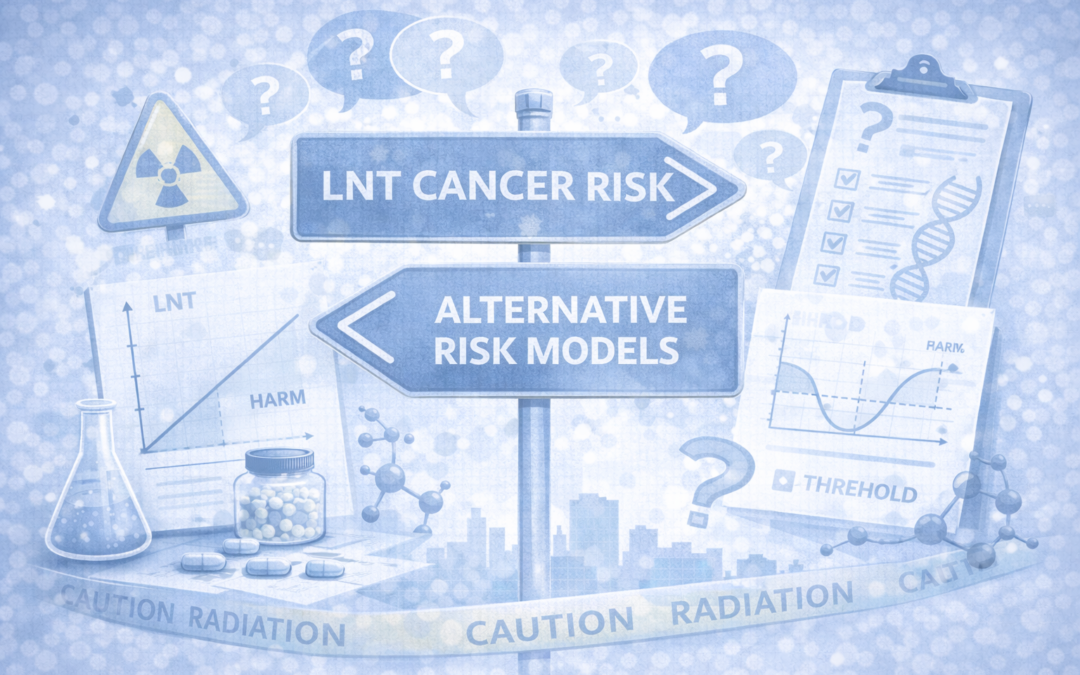
The article challenges the universal application of the linear no-threshold (LNT) model in public health risk assessment, arguing that its assumptions are not consistently supported by empirical evidence at low levels of radiation exposure.
-
It reviews epidemiological and biological data that suggest low and moderate doses of radiation sometimes elicit adaptive or non-linear responses, which are not compatible with strict linear extrapolation.
-
The authors highlight the impact of cognitive biases, risk communication practices, and public misconceptions that amplify perceived risk associated with low-dose radiation, even in the absence of clear evidence of harm.
-
It discusses alternative frameworks for risk assessment, such as threshold and hormetic models, which account for biological repair mechanisms and adaptive responses that the LNT model does not capture.
-
The article emphasizes the need for transparent scientific communication and evidence-based policy decisions, suggesting that oversimplified models can misinform both professionals and the public about actual health risks.