
Research Article Summary
• Central question:
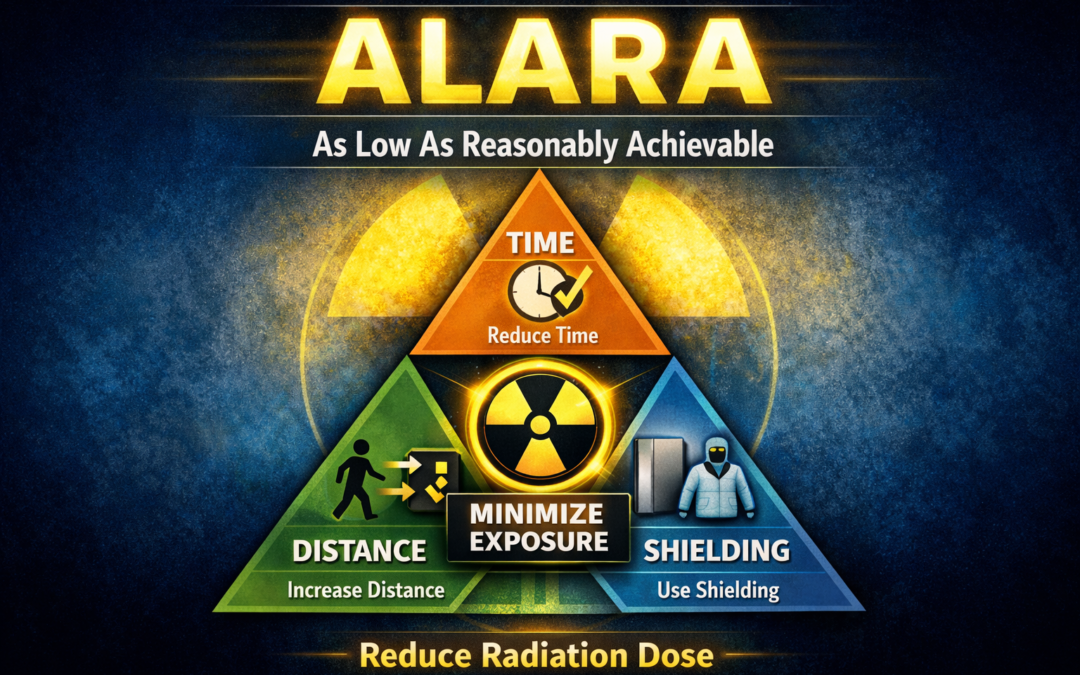
This article presents a critical re-evaluation of the ALARA (As Low As Reasonably Achievable) radiation protection principle and the Image Gently campaign, questioning whether these long-standing conservative approaches remain scientifically justified in modern medical imaging practice.
• ALARA and Image Gently background:
ALARA and Image Gently were developed to reduce unnecessary radiation exposure, particularly in pediatric imaging, based on the assumption that any dose of ionizing radiation carries risk. These campaigns have influenced protocols, technology development, and awareness of dose optimization in clinical practice.
• Challenging assumptions:
The author argues that strict minimization of dose without context may not always serve patients’ best interests — for example, excessively low exposures can compromise image quality, lead to repeat scans, or obscure diagnoses that are crucial for patient care. The critique suggests a need to balance dose reduction with clinical benefit and diagnostic accuracy.
• Scientific and practical concerns:
Cohen notes that because the actual cancer risk at very low doses remains uncertain, and because effective diagnostic imaging often requires adequate radiation for clarity, a blanket “minimize at all costs” approach may be misaligned with both clinical needs and emerging biological evidence about low-dose effects.
• Implications for policy and practice:
The article calls for a more nuanced, evidence-based framework that integrates patient outcomes, realistic risk assessment, and modern understanding of dose–response biology, rather than rigid adherence to precautionary slogans. It suggests that debate and updating of established campaigns like ALARA and Image Gently are appropriate as science evolves.