
Research Article Summary
-
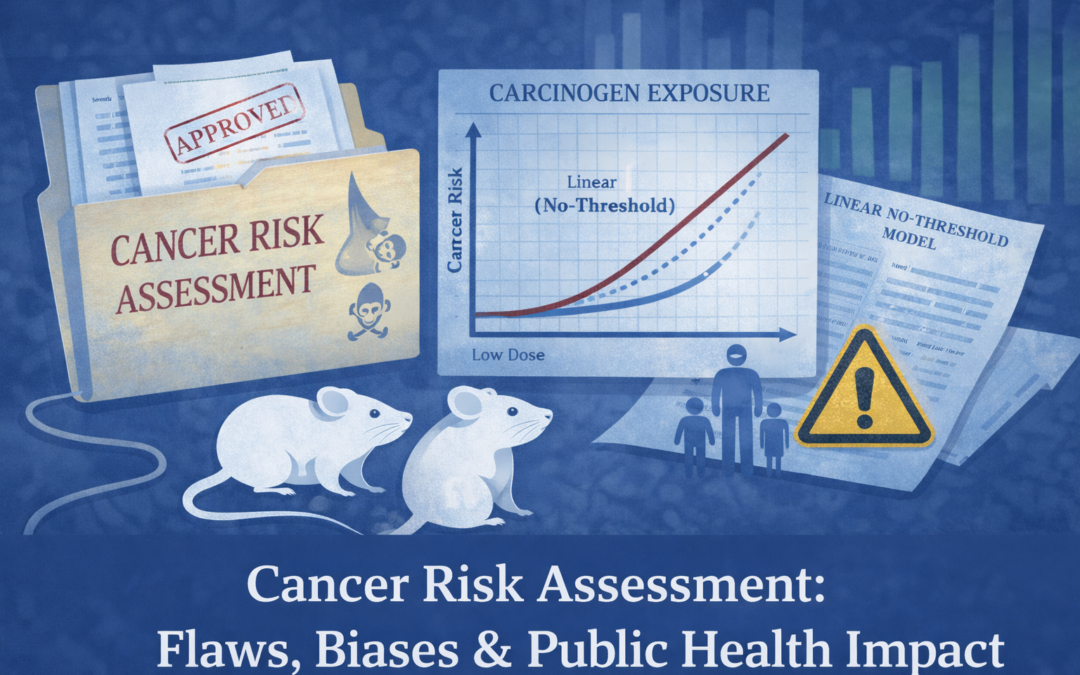
The article traces the development of cancer risk assessment methodology and argues that foundational decisions leading to widespread adoption of the linear no-threshold (LNT) model were historically flawed and based on misinterpretations, omissions, and biases rather than solid empirical evidence.
-
It reviews how key scientific committees and influential figures in radiation biology and regulatory science embraced the LNT model for extrapolating cancer risk at low doses, despite early data and alternative models suggesting thresholds or non-linear responses.
-
Evidence is presented that some of the earliest pivotal studies used to justify the LNT approach were either methodologically limited or selectively interpreted, contributing to an enduring regulatory preference for a model that may overestimate risk from low-dose exposures.
-
The article critiques the ethical and scientific practices of advisory bodies, highlighting how institutional momentum, consensus pressures, and career incentives reinforced the dominance of the LNT model in both radiation and chemical carcinogen risk assessment.
-
Implications for public health policy are examined, suggesting that reliance on the LNT model has shaped regulations, communication, and public perception of cancer risks for decades, and may warrant re-evaluation in light of historical context and contemporary scientific understanding.