
Research Article Summary
• Main focus:
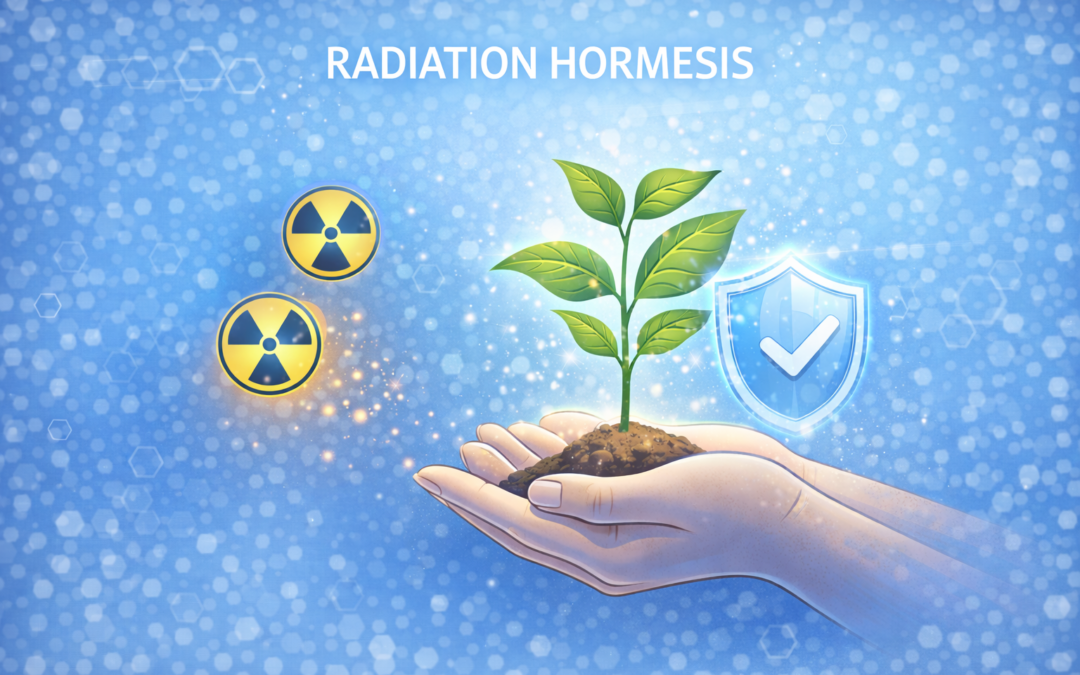
This article examines how low-dose ionizing radiation influences cellular oxidative stress responses and how these effects may differ from responses at higher dose levels. The goal is to better understand biological mechanisms that are activated in response to low radiation exposures, particularly in relation to reactive oxygen species and cellular defense systems.
• Oxidative stress and signaling:
The authors describe how low doses of radiation can generate reactive oxygen species (ROS) within cells, which act as signaling molecules. Rather than causing overwhelming damage, these ROS at low levels can stimulate protective cellular responses, such as activation of antioxidant pathways and stress response proteins that help maintain redox balance.
• Adaptive responses at low dose:
Evidence indicates that low levels of radiation can lead to adaptive changes in cells, such as increased expression of stress response genes and enhanced repair capacity. These changes may make cells more resilient to subsequent stressors.
• Non-linear dose responses:
The article highlights that responses at low doses are often non-linear, meaning they don’t simply increase in proportion to dose. Instead, biological outcomes depend on complex interactions between ROS production, repair pathways, and cellular regulation mechanisms.
• Implications for understanding risk:
Because biological systems exhibit sophisticated responses involving signaling, adaptation, and repair at low doses, the findings suggest that simple linear extrapolation models (which assume risk increases directly and proportionally with dose from zero onward) may not accurately reflect the true biological effects in this range.
Please click here to read the full research article:
https://www.sciencedirect.com/science/article/abs/pii/S0013935118306509 ← original research article