
Research Article Summary
-
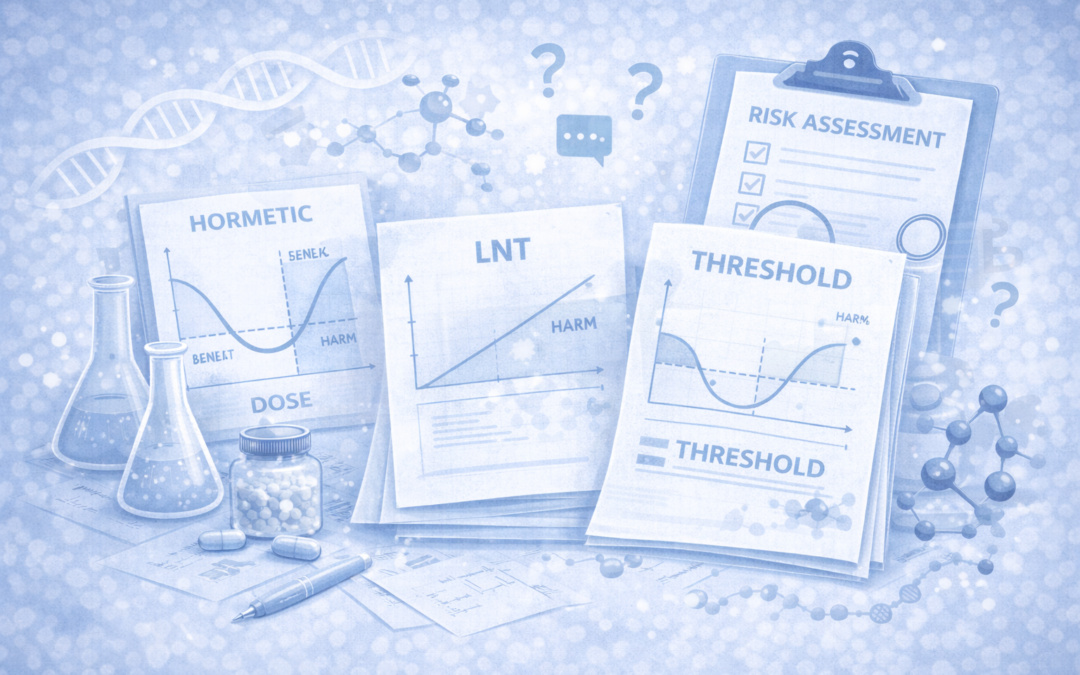
The article analyzes the historical development of radiation-related cancer risk assessment and argues that the National Academy of Sciences (NAS) BEAR I Genetics Panel’s 1956 recommendation of the Linear No-Threshold (LNT) model was influenced by unethical conduct and misrepresentation of scientific evidence. ScienceDirect
-
It details how panel members and leadership strategically worked to ensure acceptance of the LNT model and secure funding, which shaped cancer risk assessment frameworks in the United States and worldwide. ScienceDirect
-
The author highlights preserved communications and historical records indicating intentional actions designed to promote LNT adoption, rather than neutral interpretation of data, undermining the ethical foundations of subsequent public health policies. ScienceDirect
-
The review discusses the global impacts of adopting the LNT model, pointing out that cancer risk assessment policies based on LNT have had widespread regulatory, economic, and societal consequences. ScienceDirect
-
The article concludes that acknowledging and revisiting these ethical failures is necessary to reassess current cancer risk assessment standards and potentially revise regulatory approaches in light of scientific and ethical evidence. ScienceDirect