
Research Article Summary
• Central theme:
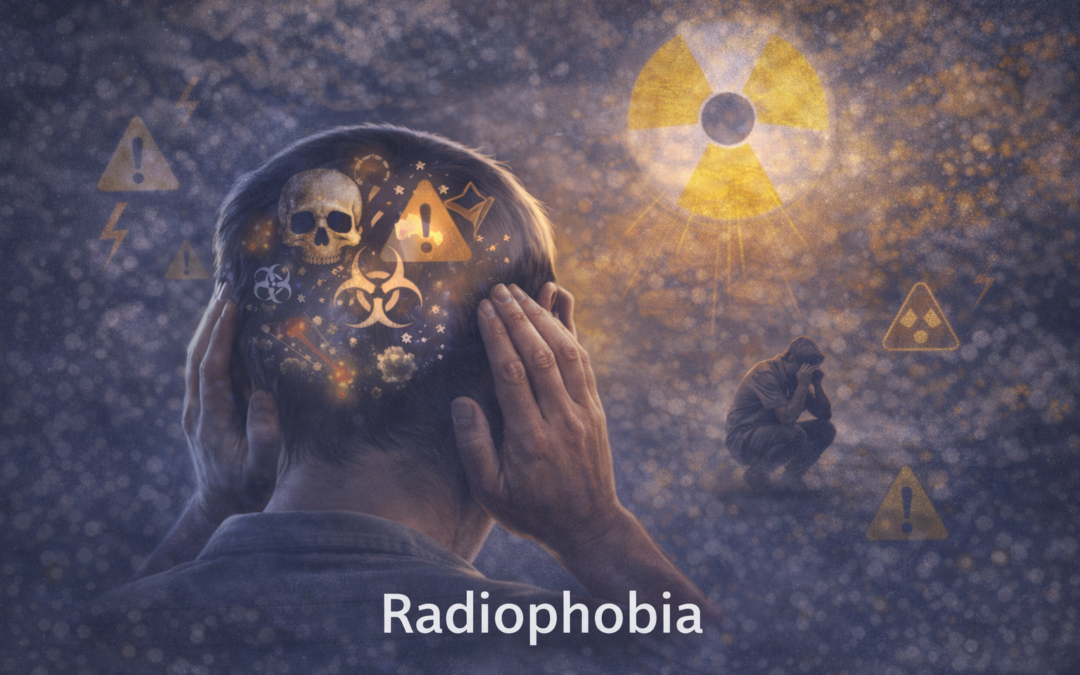
This essay argues that fear of radiation — radiophobia — often causes more harm than the radiation exposure itself. It examines how public perception, media amplification, and historical narratives have shaped widespread anxiety about radiation despite scientific evidence that many low-dose exposures pose minimal health risk.
• Origins of radiophobia:
The piece traces the roots of radiation fear back to high-profile events such as Hiroshima, Nagasaki, and nuclear accidents. These profound human tragedies, coupled with dramatic imagery and early misunderstandings of radiation biology, seeded deep cultural fear that persists even where scientific evidence suggests limited harm at low doses.
• Consequences of fear:
The author highlights significant negative outcomes driven by fear rather than direct physical effects of radiation — including stress-related illness, social disruption, economic loss, and harmful evacuation policies (e.g., after Fukushima). These fear-driven responses have often worsened public health outcomes compared with the actual risk from radiation exposure.
• Mismatch between perception and evidence:
The essay emphasizes that scientific understanding, including data on background radiation, medical exposures, and environmental recovery, often contradicts the public’s exaggerated sense of danger. Rather than focusing only on theoretical risk models, the author advocates grounding understanding in empirical evidence and biological context.
• Toward rational discourse:
The article calls for better risk communication, education, and policy that distinguish real risk from fear-based narratives. By addressing emotional responses honestly and contextualizing radiation with familiar risks, society can make more balanced decisions about energy policy, medical imaging, and emergency responses.