
Research Article Summary
-
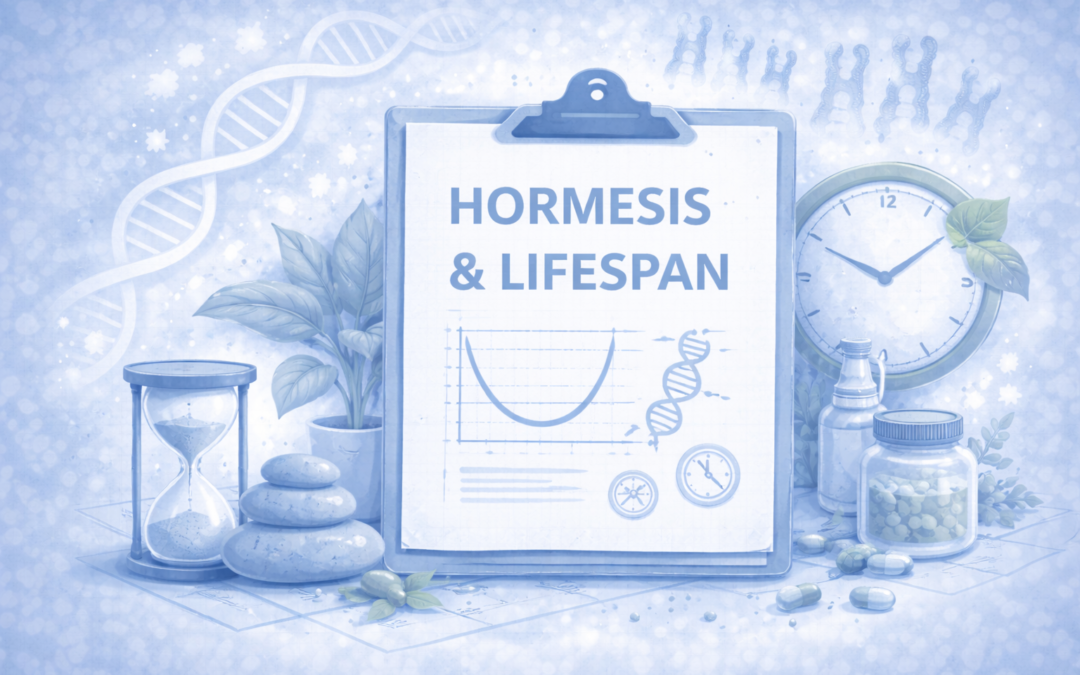
The article explores the concept of hormesis and argues that hormetic dose–response relationships help define biological limits of lifespan by showing how low-dose exposures to stressors can activate adaptive responses that enhance resilience and health.
-
It discusses experimental evidence from aging and longevity research indicating that moderate stressors, such as low doses of radiation or chemicals, often produce beneficial physiological effects, including improved repair mechanisms and reduced biomarkers of aging.
-
The piece examines how hormetic responses vary across different biological systems and organisms, emphasizing that these effects are consistent with a model in which organisms have evolved mechanisms to respond positively to mild stress.
-
It contrasts hormetic models with traditional linear no-threshold assumptions, suggesting that hormesis offers a more nuanced and biologically plausible framework for understanding how low-dose exposures influence aging and lifespan.
-
The article concludes that appreciating hormetic principles can inform both basic research on aging and public health perspectives, encouraging a reevaluation of risk assessment approaches that ignore adaptive biological responses.