
Research Article Summary
• Primary focus:
This article explores the environmental impacts of ionizing radiation releases following nuclear accidents, routine operations, and other sources, and evaluates how radiation interacts with ecosystems — including soil, water, plants, and animal life — at low environmental dose levels.
• Pathways of exposure:
The authors discuss how radioactive materials enter the environment through atmospheric deposition, water runoff, and soil contamination, and how these pathways lead to exposure of various organisms, including humans, through inhalation, ingestion, and external irradiation.
• Biological effects in ecosystems:
The paper reviews evidence showing that different species and ecological communities vary in their sensitivity to radiation. Some organisms show measurable changes at high doses, while at low environmental levels the effects are more subtle and often mediated by complex ecological and physiological processes rather than direct cell damage.
• Dose–response complexity:
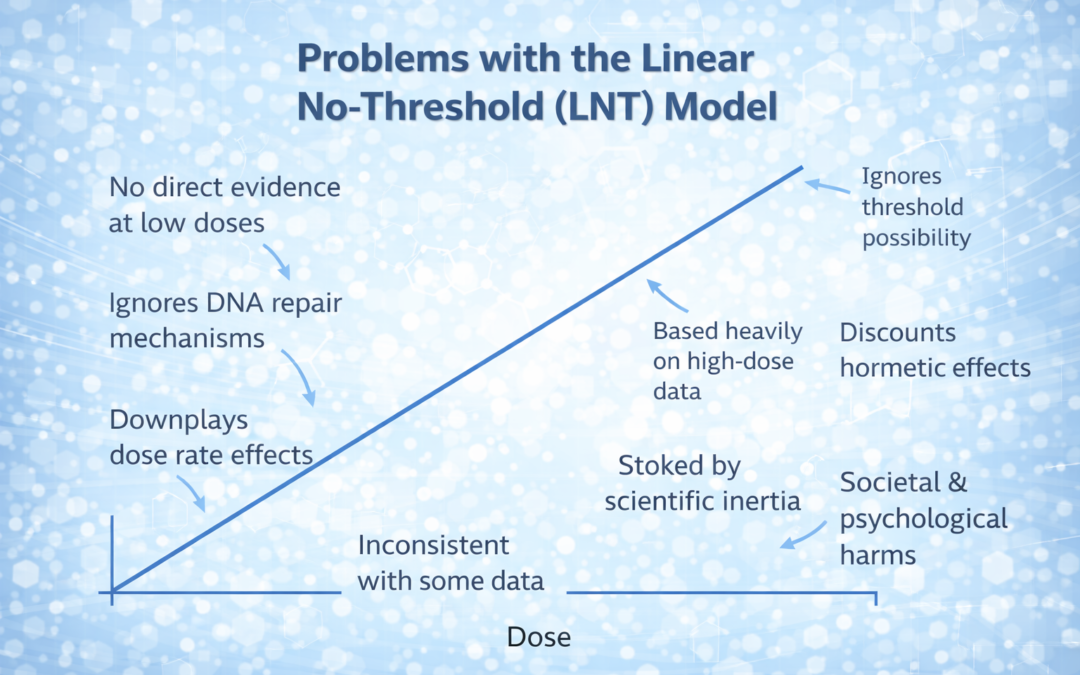
Because ecosystems comprise many interdependent species and dynamic processes, responses to low-level radiation do not follow a straightforward linear pattern. Interactions such as food web dynamics, adaptive stress responses, and compensatory growth can influence how radiation exposure manifests at the ecosystem level.
• Implications for assessment and management:
The article highlights that environmental risk assessments should consider species diversity, ecological context, and indirect effects, rather than relying solely on simplistic models that assume all radiation effects scale proportionally with dose. A more nuanced ecological perspective supports better environmental protection policies.
Please click here to read the full research article:
https://www.sciencedirect.com/science/article/abs/pii/S0269749118315008