
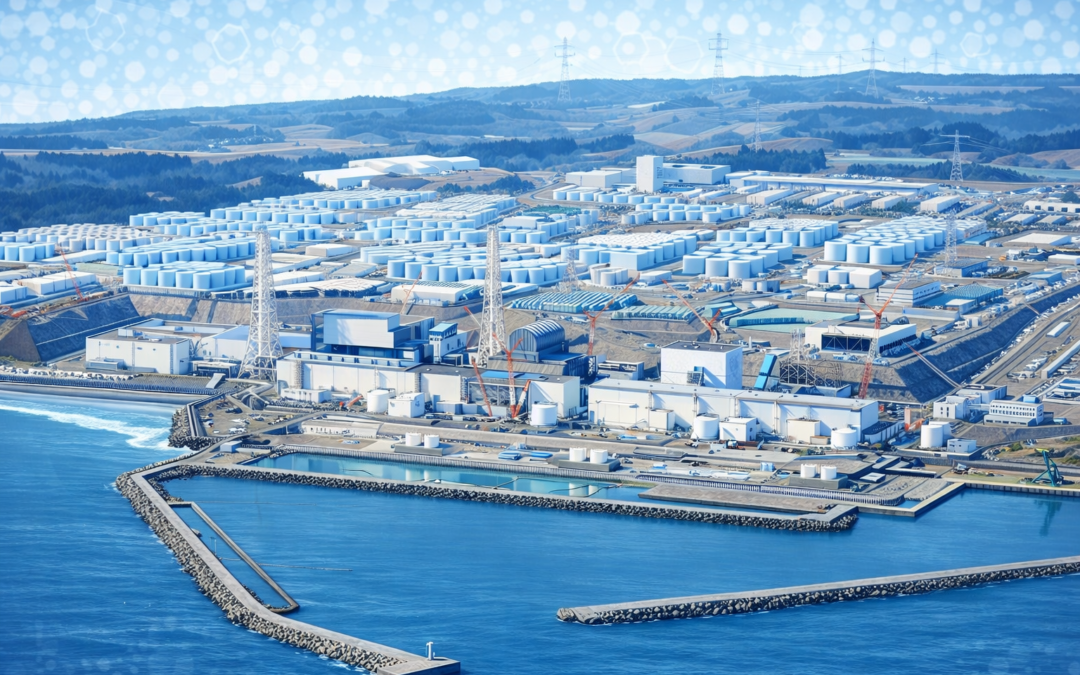
Research Article Summary
• Main topic:
This article reviews updated data on radiation levels around the Fukushima Daiichi nuclear power plant several years after the 2011 accident. It examines how radiation has declined over time and what the readings mean for environmental and human safety.
• Radiation trends:
Radiation measurements taken around the site and in nearby communities show that levels have dropped significantly since the accident. Much of the initial contamination has decayed or been removed, and many areas now have radiation that is comparable to or only slightly above normal background levels.
• Environmental impact:
Wildlife and ecosystems in and around Fukushima have shown signs of resilience. Some species have returned to areas that were previously evacuated, and ongoing monitoring indicates that radiation in many zones is no longer at levels harmful to most forms of life.
• Human health context:
Current radiation levels in nearby towns and villages are reported to be low enough that many scientists do not expect significant radiation-related health effects for residents returning to or living in these areas, assuming typical exposure patterns.
• Caveats & continued monitoring:
The article notes that while overall levels are much lower than immediately after the accident, ongoing monitoring is important, especially in hotspots where contamination persists. Long-term data help scientists and regulators assess both environmental recovery and public health implications.
Please click here to read the full article:
https://www.livescience.com/61986-fukushima-anniversary-radiation-levels.html ← original article