
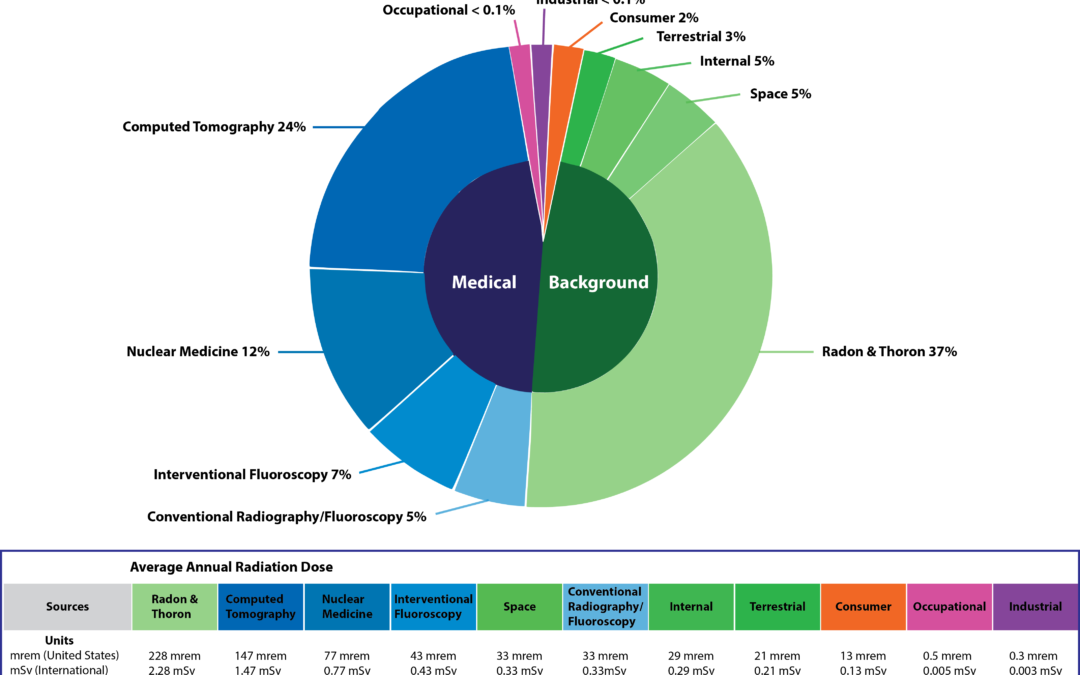
Research Article Summary
• Main focus:
This article investigates the relationship between background ionizing radiation levels and childhood cancer incidence across geographic regions. Using population-level data, the study examines whether areas with slightly higher natural background radiation show differences in cancer rates among children compared with areas having lower background levels.
• Study design and data:
The authors used national cancer registry data and environmental radiation measurements to compare childhood cancer incidence across regions with varying natural radiation levels. This type of observational analysis helps assess correlations at a population scale rather than controlled individual exposures.
• Key findings:
The study found no statistically significant increase in overall childhood cancer rates in regions with higher natural background radiation compared with lower-radiation regions. This suggests that the range of natural variation in environmental ionizing radiation is not strongly associated with elevated childhood cancer risk in the populations studied.
• Context and interpretation:
Because natural background radiation varies widely across different geographic areas (due to geology, altitude, and soil composition), this type of study helps test whether small differences in low-dose exposures have observable effects on population health. The lack of clear association in this analysis supports the interpretation that modest differences in background radiation are not a major driver of childhood cancer incidence.
• Implications for risk communication:
These findings contribute to understanding of how low-dose, chronic environmental radiation relates to real-world health outcomes. They suggest that at levels typical of natural background variation, radiation does not appear to have a large impact on childhood cancer rates, highlighting the importance of contextualizing radiation risk rather than assuming any incremental increase must lead to proportional harm.
Please click here to read the full research article:
https://journals.plos.org/plosone/article?id=10.1371/journal.pone.0196472 ←