
Research Article Summary
• Primary focus:
This article examines how low-dose ionizing radiation impacts cancer development and progression, drawing on data from clinical and experimental studies to explore whether low levels of radiation are associated with increased cancer risk or biological responses that may mitigate damage.
• Dose–response complexity:
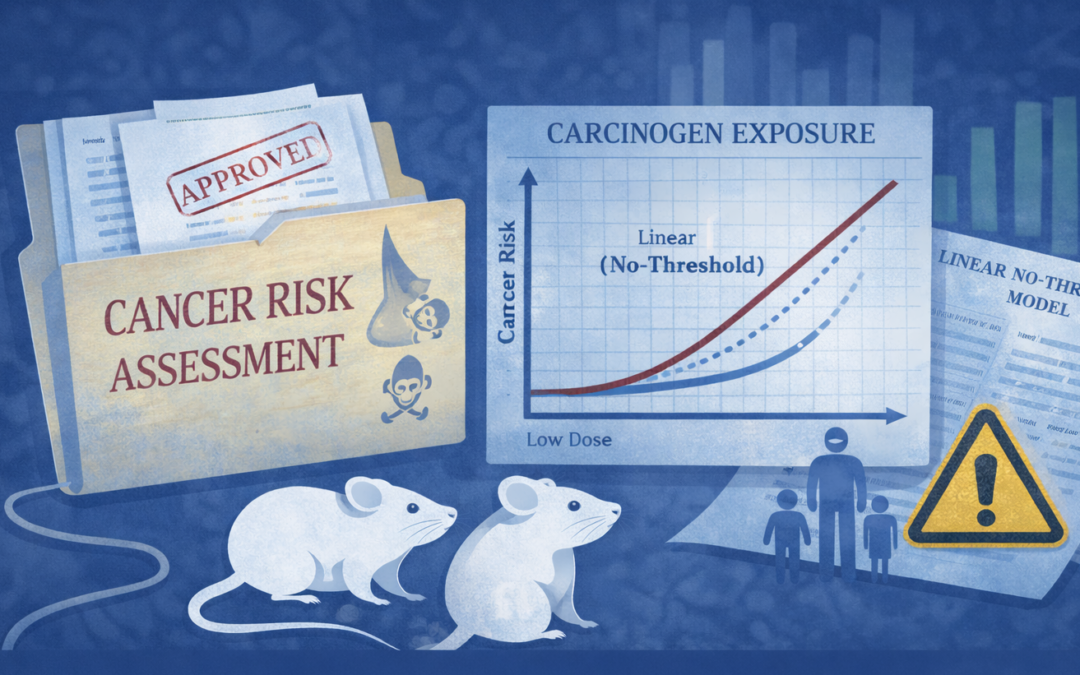
The authors discuss evidence that the relationship between radiation dose and cancer risk is not strictly linear at low doses. Instead, factors such as cellular repair mechanisms, DNA damage responses, and immune system interactions can influence biological outcomes in ways that do not scale proportionally with dose.
• Biological mechanisms:
At low exposures, cells activate stress responses and protective pathways—including enhanced DNA repair, apoptosis of damaged cells, and antioxidant defenses—that help maintain genomic stability and reduce the likelihood of mutations leading to cancer.
• Clinical implications:
The article evaluates how these biological processes manifest in real-world contexts, such as medical imaging exposures and natural background radiation. The findings suggest that modest low-dose exposures do not necessarily lead to measurable increases in cancer risk, and may in some cases engage adaptive mechanisms that mitigate harm.
• Regulatory and public health relevance:
Because radiation responses at low doses involve complex biology rather than simple accumulation of damage, the authors suggest that risk models based on linear extrapolation from high doses should be reexamined. Incorporating mechanistic understanding may yield more accurate and nuanced assessments for both clinical practice and public communication.
Please click here to read the full research article:
https://onlinelibrary.wiley.com/doi/10.1002/cam4.1344 ← original research article