
by admin | Apr 8, 2021 | Featured Articles, Hormesis, Nuclear Medicine
10 Key Points Alzheimer’s disease (AD) is a leading cause of dementia, with no cure or disease-modifying therapy currently available. In 2015, a woman with severe AD showed remarkable improvements after repeated CT scans delivering low doses of ionizing radiation....
by admin | Mar 24, 2021 | LNT Hypothesis
The results of clinical trials performed from the 1930s until the end of the 20th century in which total-body ultra-low level ionizing radiation (TB-LLR) was used demonstrate that this form of treatment can be equal or superior to other systemic anti-neoplastic...
by admin | Dec 22, 2020 | LNT Hypothesis
Highlights • US cancer risk assessment policy was fraudulently founded. • Ethical failures of committee members poisoned the process. • These unethical actions affected worldwide cancer risk assessment. • It is necessary to acknowledge these unethical foundations. •...
by admin | Dec 13, 2020 | LNT Hypothesis
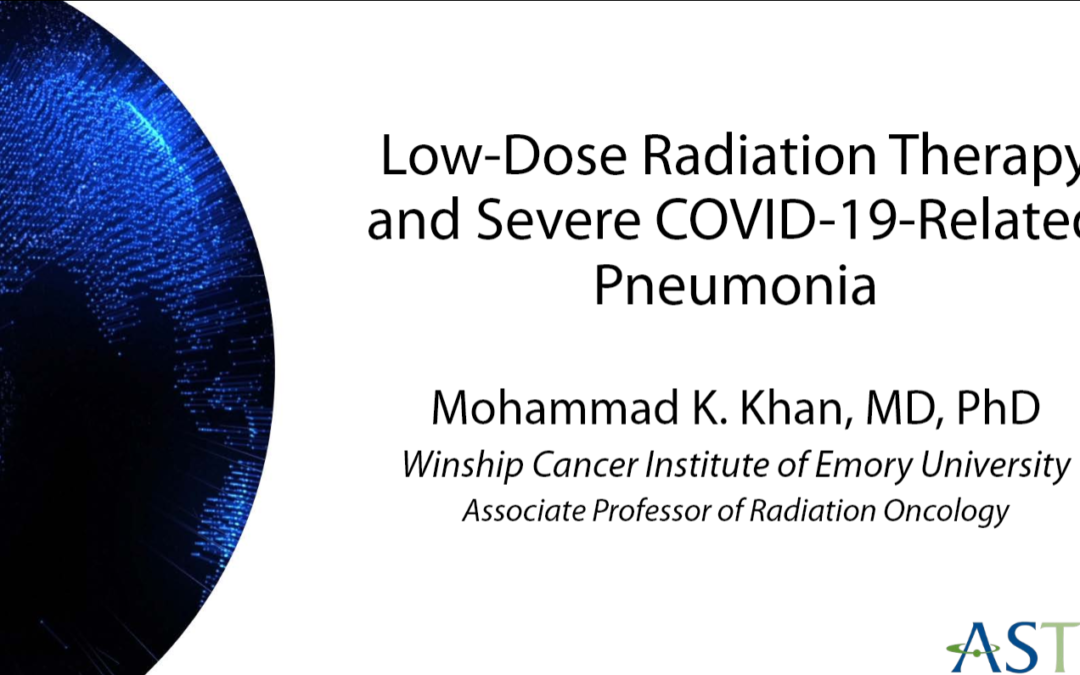
Conclusion/Summary• LD-RT for COVID-19 appears to be safe• LD-RT seems to improve oxygen status, delirium, radiographs, and biomarkerswhen compared against age and comorbidity matched cohorts• Confirmatory trials are needed....

by admin | Dec 3, 2020 | Featured Articles, Hormesis, LNT Hypothesis
5 key point summary of the text: Evidence for radiation hormesis (benefits of low-dose radiation) was not refuted in a recent online debate, undermining the LNT model. The LNT model, which assumes all radiation is harmful, remains unproven and may itself increase...

by admin | Sep 3, 2020 | LNT Hypothesis
Research Article Summary The article reviews existing epidemiological evidence concerning the applicability of the Linear No-Threshold (LNT) model in radiological protection, focusing on how well human studies support its use for cancer risk assessment. ScienceDirect...
